

The best paying jobs without a college degree in 2026 are usually found in skilled trades, transportation, utilities, public safety, aviation, logistics, and licensed sales.
The strongest options include commercial pilot, elevator mechanic, power plant operator, transportation and distribution manager, refinery operator, power-line installer, detective, aircraft mechanic, construction inspector, and real estate broker.
No degree does not mean no training. In many high-paying paths, the trade-off is clear: instead of 4 years of college, workers complete apprenticeships, licenses, FAA certifications, safety training, or years of field experience.
BLS data still shows a clear earnings advantage for higher education overall, with bachelor’s degree holders earning a median $1,543 per week in 2024, compared with $930 for workers whose highest credential was a high school diploma.
Yet several occupations without a typical bachelor’s requirement beat the national median by a wide margin.
Quick Comparison: High-Paying Jobs Without A 4-Year Degree
| Job | Median Annual Pay | Typical Entry Path | 2024 To 2034 Outlook |
| Commercial Pilot | $122,670 | Flight training, FAA certificates | 4% growth |
| Elevator And Escalator Installer | $106,580 | High school diploma, apprenticeship, license in many states | 5% growth |
| Power Plant Operator, Distributor, Or Dispatcher | $103,600 | High school diploma, long-term on-the-job training | 10% decline |
| Transportation, Storage, And Distribution Manager | $102,010 | High school diploma plus related experience | 6% growth |
| Petroleum Pump System Operator / Refinery Operator | $97,540 | High school diploma plus on-the-job training | Varies by region |
| Electrical Power-Line Installer And Repairer | $92,560 | High school diploma, technical instruction, apprenticeship | 7% growth |
| Detective Or Criminal Investigator | $93,580 | Police academy, law enforcement experience | Overall police and detective jobs: 3% growth |
| Avionics Technician | $81,390 | FAA-approved training, military path, or supervised experience | 5% growth for aircraft and avionics technicians |
| Construction And Building Inspector | $72,120 | High school diploma, construction experience, license in many areas | 1% decline |
| Real Estate Broker | $72,280 | High school diploma, prelicensing courses, state license | 3% growth |
1. Commercial Pilot

Commercial pilot is one of the highest-paying degree-light careers in the U.S. labor market. BLS reports a median annual wage of $122,670 for commercial pilots in May 2024.
Airline pilots usually need a bachelor’s degree, but commercial pilots generally need flight training and FAA credentials, although some employers may prefer a degree.
The work can include charter flights, aerial firefighting, crop dusting, sightseeing flights, cargo routes, medical transport, and corporate aviation. A new pilot normally builds hours through lower-paying flying jobs before qualifying for better routes or aircraft.
The cost of flight training can be steep, so the path needs careful planning. Still, for someone who can manage training costs and medical requirements, aviation remains one of the clearest routes to 6-figure pay without a conventional college degree.
2. Elevator And Escalator Installer
Elevator mechanics sit near the top of the skilled trades. BLS puts median pay at $106,580, with the highest 10% earning more than $149,250. Entry usually starts with a high school diploma and a 4-year apprenticeship, and most states require licensing.
The job combines electrical systems, hydraulics, mechanical repair, blueprint reading, digital controls, and safety compliance. A mechanic may work inside shafts, machine rooms, commercial towers, hospitals, airports, or apartment buildings.
The same broad trade logic applies to welding jobs, where workers can move into fabrication, inspection, pipeline work, structural steel, shipbuilding, or supervisory roles after building technical skill and credentials.
Pay is high because the work is specialized and safety-critical. Elevators cannot simply be “mostly working.” They must meet strict operating standards, and repair calls can be urgent, especially in large buildings.
3. Power Plant Operator, Distributor, Or Dispatcher

Power plant operators, distributors, and dispatchers control systems that generate and distribute electricity. Median pay reached $103,600 in May 2024. BLS says workers typically need at least a high school diploma, followed by extensive on-the-job training. Nuclear power reactor operators need licensing.
The catch is outlook. BLS projects a 10% employment decline from 2024 to 2034 as automation and smart-grid technology change parts of the field. Even so, about 3,800 openings are projected each year because older workers retire or leave the occupation.
A good candidate is comfortable with rotating shifts, technical systems, math, pressure, and procedure-heavy work. Reliability matters as much as raw mechanical ability.
4. Transportation, Storage, And Distribution Manager

Logistics managers prove that high pay without a degree can come from experience rather than tools. BLS reports median pay of $102,010 for transportation, storage, and distribution managers, with top earners above $180,590.
Entry often requires a high school diploma plus related work experience, although some employers prefer or require a bachelor’s degree.
The role involves moving goods, people, equipment, or inventory through warehouses, ports, trucking networks, rail systems, fulfillment centers, and distribution hubs. A manager may coordinate schedules, staffing, safety rules, budgets, vendor contracts, and delivery performance.
The route often starts on the floor: dispatcher, warehouse lead, driver supervisor, inventory coordinator, or operations assistant. People who know how goods actually move often have an advantage over candidates who only know the theory.
5. Petroleum Pump System Operator Or Refinery Operator

Refinery operators and gaugers monitor and control petroleum processing units, pipelines, pumps, storage tanks, and related systems. O*NET, a U.S. Department of Labor-sponsored resource, lists median wages at $97,540 in 2024 for petroleum pump system operators, refinery operators, and gaugers.
The work is concentrated in states and regions tied to refining, pipelines, ports, and energy infrastructure. It often involves shift work, safety procedures, gauges, control rooms, inspections, and emergency protocols.
A high school diploma is often enough for entry, but employers usually want mechanical aptitude, reliability, safety discipline, and comfort around industrial equipment. Pay can be strong, but location matters more than in many occupations.
6. Electrical Power-Line Installer And Repairer
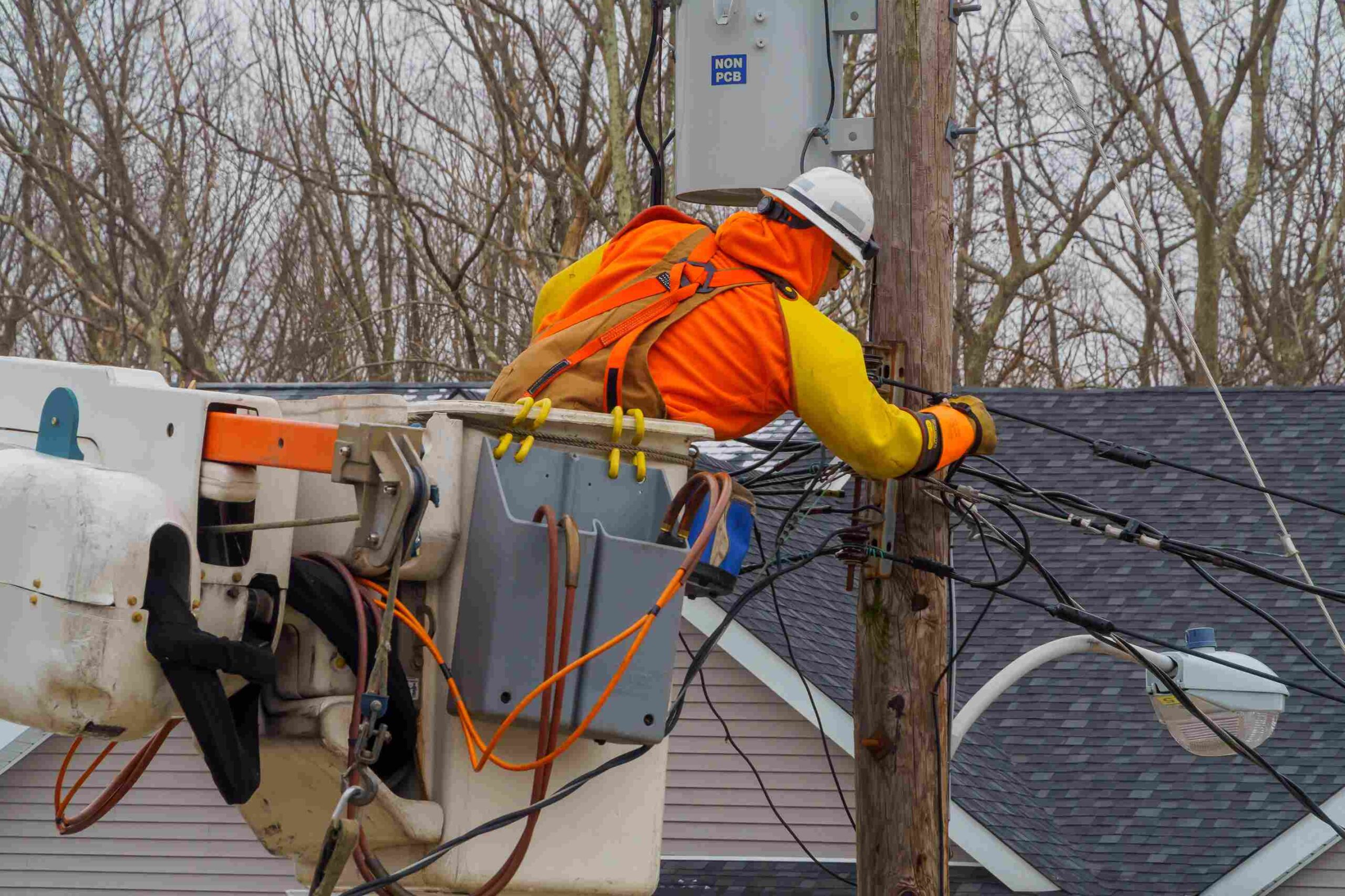
Power-line workers install and repair the cables and wires that move electricity through distribution and transmission systems. BLS lists median pay at $92,560 and projects 7% growth from 2024 to 2034, faster than the average for all occupations. Entry usually requires a high school diploma, technical instruction, and long-term training. Apprenticeships are common.
The work is physically demanding. Lineworkers climb poles, work from bucket trucks, respond after storms, travel to damaged areas, and handle high-voltage systems under strict safety rules.
The appeal is steady demand. Housing development, grid upgrades, storm recovery, and electric vehicle infrastructure all support ongoing work for skilled crews.
7. Detective Or Criminal Investigator

Detectives and criminal investigators earned a median annual wage of $93,580 in May 2024, according to BLS. Most enter through police work, meaning the path usually includes academy training, patrol experience, exams, department procedures, and years of casework before moving into investigations.
The role can involve interviewing witnesses, reviewing evidence, preparing reports, coordinating with prosecutors, serving warrants, and tracking case details over long periods. It requires patience and strong judgment, not only physical readiness.
Pay varies sharply by agency and location. Overtime, union contracts, bilingual pay, and retirement benefits can also change the overall value of the career.
8. Aircraft And Avionics Technician

Aircraft mechanics and avionics technicians keep aircraft safe, legal, and ready to fly. BLS reports median pay of $78,680 for aircraft mechanics and service technicians and $81,390 for avionics technicians. Some workers enter through FAA-approved programs, while others come through military training or supervised on-the-job experience.
The work requires precision. Mechanics inspect components, repair systems, follow FAA rules, document maintenance, and meet deadlines without cutting corners. Avionics technicians focus more heavily on electronic systems, flight instruments, communications equipment, and troubleshooting.
Growth is solid. BLS projects 5% employment growth for aircraft and avionics equipment mechanics and technicians from 2024 to 2034.
9. Construction And Building Inspector

Construction and building inspectors earned a median annual wage of $72,120 in May 2024. Entry usually requires a high school diploma, construction trade experience, and on-the-job training. Many states and localities require licensing or certification.
The job suits experienced tradespeople who want to move away from daily installation work while still using field knowledge. Inspectors review plans, visit job sites, check plumbing, electrical, structural, HVAC, and safety issues, and verify code compliance.
BLS projects a slight 1% decline from 2024 to 2034, partly due to remote inspection tools. Yet about 14,800 openings are still expected each year because of replacement needs.
10. Real Estate Broker

Real estate broker pay is harder to judge from a single number because commission income can rise or fall quickly. BLS reports median annual pay of $72,280 for brokers and $56,320 for sales agents in May 2024. Brokers and agents need a high school diploma, prelicensing courses, and a state license.
The upside can be strong for people who build a referral base, specialize in commercial property, learn a local market deeply, or manage agents. The downside is irregular income, especially during slow housing markets or the first year in business.
For 2026, the best candidates will treat real estate as a business from day 1: lead generation, local market knowledge, financing literacy, follow-up systems, and client trust.
How To Choose The Right Path
Start with the type of work you can tolerate for years. High pay looks different when a job involves overnight shifts, heights, weather, risk, travel, licensing exams, or commission-only income.
- Choose utilities, aviation, or elevator work for technical skill and structured training.
- Choose logistics management if you already have operations experience.
- Choose real estate if you can sell, network, and handle income swings.
- Choose inspection if you have trade experience and strong attention to detail.
- Choose law enforcement only if the public-service mission and risk profile fit you.
Apprenticeships deserve special attention because they combine pay with training. Apprenticeship.gov reports more than 800,000 apprentices annually across the U.S. and lists an average starting salary of $86,000 after completing a program, based on available reporting.
Final Thoughts
The best-paying jobs without a college degree in 2026 reward proof of skill. The strongest paths are rarely easy, but they are concrete: get licensed, complete an apprenticeship, build hours, move into supervision, or specialize in safety-critical work.
A degree can still help in many careers, but for workers who want a different route, the labor market still offers real paths to strong pay.