
In today’s data-driven world, visuals play a key role in communicating information effectively. One of the most popular ways to represent percentages or parts of a whole is the pie chart. And creating one has never been easier thanks to the pie chart generator.
Whether you’re a student, business analyst, or content creator, a pie chart generator can help you quickly turn data into visually appealing charts.
In this article, we’ll explore what a pie chart generator is, its benefits, types, and how to use one efficiently.
What is a Pie Chart Generator?
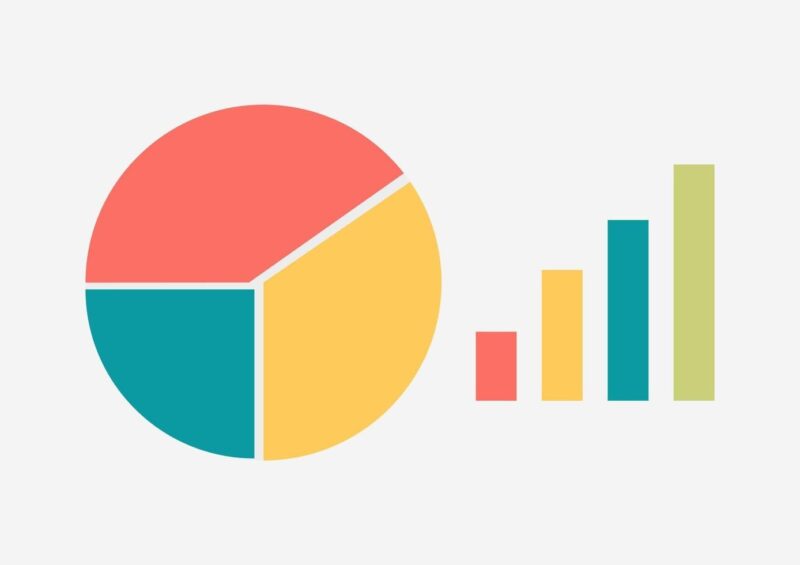
A pie chart generator is an online tool, software, or application that allows users to create pie charts without the need for complex design or spreadsheet software. Traditionally, pie charts were created manually in Excel or Google Sheets, but now, a pie chart generator can automate the process, making it faster and more accurate.
These generators usually allow you to:
- Input your data easily
- Customize colors, labels, and legends
- Download or embed charts directly into presentations or reports
Benefits of Using a Pie Chart Generator
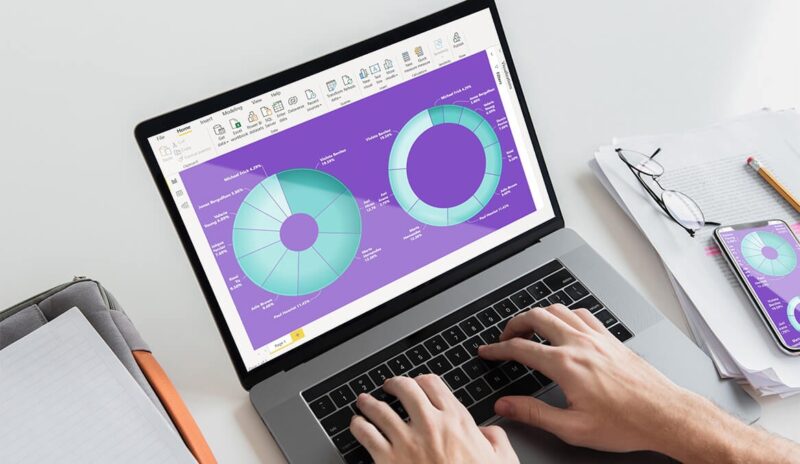
Using a pie chart generator offers several practical advantages, especially when working with data that needs to be presented clearly. Instead of spending time formatting tables or calculating percentages manually, users can convert raw numbers into a visual format within minutes. This makes the tool useful for both quick presentations and more formal reports.
Time Saving
Manual data visualization often involves calculating proportions, adjusting formatting, and checking for accuracy. A pie chart generator automates these steps and produces a ready-to-use visual in seconds.
Users only need to enter categories and values. The tool handles percentage calculations and layout automatically, which reduces the chance of calculation errors and saves valuable time.
Professional Results
Even without design experience, users can produce clean and structured visuals that look suitable for business reports or academic work.
Most generators apply balanced spacing and readable labeling by default. This ensures that the final result looks polished without requiring additional editing in graphic software.
Ease of Use
Most tools are designed with simplicity in mind. The interface usually includes clear input fields and instant previews, allowing users to see results as they enter data.
Beginners can create effective visuals without learning spreadsheet formulas or design techniques. The process is usually straightforward and requires only a few steps.
Customization Options
Many generators allow adjustments that help match the visual style to a presentation or document.
Users can typically modify:
- Colors for individual segments
- Label styles and positioning
- Font types and sizes
- Overall size and layout
These options make it possible to adapt the visual output to different audiences or branding requirements.
Flexible Export Options
After creating the visual, most generators provide several export choices depending on how the file will be used.
Common export formats include:
- PNG for presentations and websites
- JPEG for documents and email sharing
- PDF for reports and printing
Having multiple formats available makes it easier to reuse the same visual across different platforms without additional editing.
Types of Pie Chart Generators

There are different types of pie chart generators available:
- Online generators – Websites that let you create pie charts directly in your browser.
- Software-based generators – Programs like Excel or Tableau that have built-in pie chart features.
- App-based generators – Mobile apps designed for creating charts on the go.
Each type of pie chart generator has its own advantages, depending on your needs and preferences.
How to Choose the Right Pie Chart Generator
Choosing the right pie chart generator depends on how you plan to use it. Some tools are designed for quick and simple tasks, while others offer more control and advanced features. Considering a few basic factors can help you select a tool that fits your needs.
Ease of use is important, especially for beginners. Simple online generators with clear interfaces allow you to enter data quickly and produce results without extra steps.
Customization options matter more for professional use. Some tools allow you to adjust colors, labels, fonts, and layout so the final result matches your document or presentation style.
Export formats should match where you plan to use the visual. Make sure the generator supports common formats suitable for presentations, documents, or online content.
Pricing can vary between tools. Many generators offer free features, while advanced options may require a subscription, so it helps to choose based on how often you will use it.
Step-by-Step Guide: Creating a Pie Chart
Here’s a quick guide to using a typical pie chart generator:
- Input your data – Add the categories and values for each segment.
- Customize your chart – Choose colors, labels, fonts, and layout.
- Preview the chart – Make sure all elements are clear and accurate.
- Download or embed – Export your chart for use in reports, presentations, or online content.
Tips for Designing Professional Looking Pie Charts

Good design makes data easier to understand and more pleasant to read. Even simple visuals can look polished when basic design rules are followed. Paying attention to color choices, labeling, and layout helps readers interpret information quickly without confusion.
Some practical design tips include:
- Keep colors distinct and readable so each segment can be recognized at a glance, especially when the visual is viewed on smaller screens or printed in grayscale.
- Avoid using too many slices, 5 to 7 segments usually provide a clear balance between detail and readability without overwhelming the viewer.
- Add labels or legends for clarity so readers can understand the data without guessing what each segment represents.
- Use a neutral background to make the visual stand out and keep the focus on the information rather than decorative elements.
- Consistency matters, matching fonts and colors with the rest of your report or presentation creates a more professional and organized appearance.
Common Mistakes to Avoid
Simple visuals can still become confusing if basic guidelines are ignored. Many problems come from trying to include too much information or skipping important details. Being aware of common mistakes helps ensure the final result remains clear and reliable.
Typical mistakes include:
- Overcomplicating visuals with too many segments, which makes it difficult to compare proportions and understand the data.
- Ignoring data accuracy, since even small errors in numbers or percentages can lead to misleading conclusions.
- Using colors that are hard to differentiate, especially when similar shades are placed next to each other.
- Forgetting to label each slice clearly, which forces readers to guess instead of immediately understanding the information.
A good pie chart generator can reduce the risk of these issues by calculating proportions automatically and organizing the layout in a readable way.
Conclusion
A pie chart generator is an essential tool for anyone who wants to turn data into visually appealing, professional charts quickly. By choosing the right generator, customizing your charts, and following design best practices, you can create pie charts that communicate information clearly and effectively.
Whether for business reports, school projects, or online content, a pie chart generator saves time and enhances your data storytelling.